Turning Up the Heat: Inside the Attacks on Europe’s Refrigeration System
Unit 42 examines recent cyberattacks targeting European refrigeration systems and outlines defense and mitigation strategies.
Unit 42 examines recent cyberattacks targeting European refrigeration systems and outlines defense and mitigation strategies.
Separate actions also take place outside fence and across Europe in backlash against impact of AI boomActivists have stormed the site of a Microsoft datacentre being built in…
Europe's supermarket freezer hacks show how security issues can cascade across an industry, disrupting supply chains at scale.
The U.S. government on Thursday called on critical infrastructure operators to safeguard their cooling systems following hacks that have caused chaos in European supermarkets in recent weeks.
Thorsten may have had to camp out in Nuremberg to attend it-sa, but the real story is the initiative to add a formal IT Security apprenticeship program in Germany for the thousands of young hackers ready to join our…
Russian state-linked hackers targeted users in Ukraine, the United States and Europe in a campaign to steal sensitive information from iPhone and Android devices, researchers found.
The incident comes after supermarkets in a number of European countries reported this week that their fridges and freezers warmed up after they were remotely hacked.
The large-scale watering hole campaign has been targeting entities in the US and Europe, mainly in Ukraine.
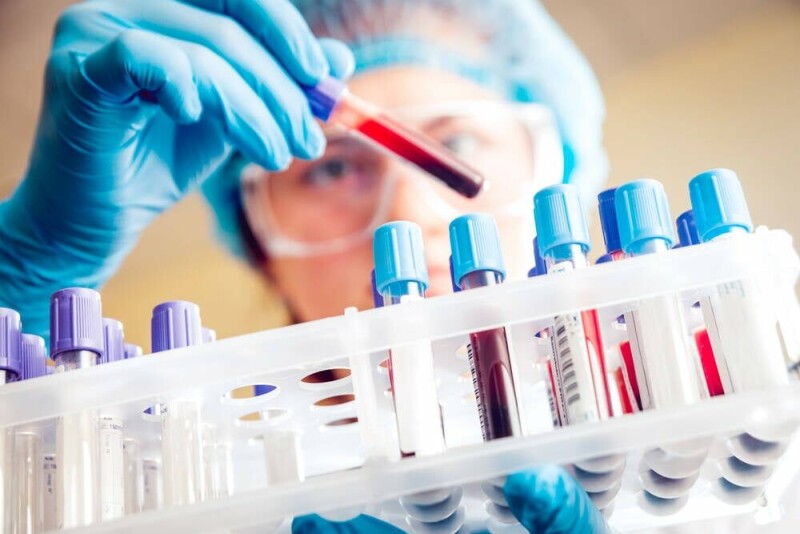
France's national blood service has confirmed that a cyberattack targeting a refrigeration equipment provider raised temperature and defrost settings at three of its facilities, threatening stored blood products. [...]
The French Blood Establishment (EFS) said cold rooms storing blood were impacted by hackers.
The incident appears to be connected to a recent wave of cyberattacks on supermarket refrigerators across Europe.
Attackers reportedly set cold-room controls to 110°C, but safeguards prevented stock losses
Beyond food storage, the same combination of Internet connectivity, remote access, and inadequate security practices can put temperature-controlled infrastructure across other critical sectors at risk.
Authorities seized more than 100 servers and arrested seven as part of a crackdown on a fraud network spanning more than 50 countries.
Nobody knows who hacked Europe's supermarkets. But many are looking to Moscow.
Authorities seized more than 100 servers and searched locations linked to the alleged operation across 17 countries.
Evidence suggests a model may have generated and revised commands during the ransom gang's breach, though researchers stopped short of claiming full automation.
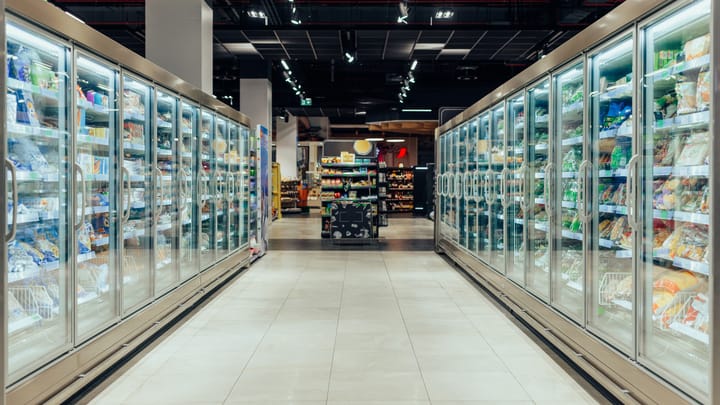
Supermarkets in countries including Ireland, Sweden and Belgium reported fridges being hiked in temperature on Monday.
Refrigerators at three meat processors in the UK were hit by cyber attacks amid warnings from the UK’s National Cyber Security Centre to protect internet-facing industrial devices
A wave of disruptions at grocery stores, which some officials blame on cyberattacks, highlights the vulnerability of supply chains. Shops across Europe were affected again on Monday.
Attackers remotely changed the settings on refrigeration controls at supermarkets in Belgium, Sweden, Estonia and other European countries overnight into Monday, November 2, warming fridges and freezers. No chain…
Supermarkets in Belgium, Estonia, Finland, Ireland, Italy, Luxembourg, the Netherlands, Portugal and Sweden reported refrigeration problems
German lawmakers and a filmmaker are among the people who received notifications from Apple warning that their phones may have been hacked.
Europe’s food security is not at risk, but a wave of cyberattacks is raising concerns about supply chain resilience, Agriculture Commissioner Christophe Hansen warned.
Dozens of shops across European countries have been hit by a cyber-attack affecting their fridges.
This is the second wave of cyberattacks to hit supermarket refrigerators in a month, spoiling food and disrupting supplies.
Dozens of store refrigerators across five countries saw their temperature raised remotely, following similar attacks that hit France last month.